Everything we've learned in 46 years of teaching people to fly.
Real instructor insights, student journeys, career guidance, and the practical know-how that turns aviation-curious readers into confident pilots. Written by the people who teach here.
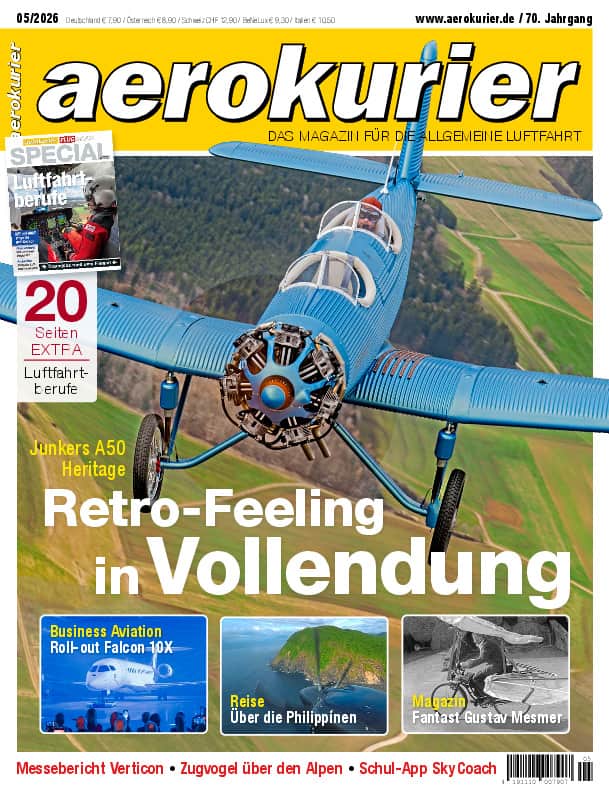
Featured in aerokurier 5/2026
Germany's flagship general aviation magazine runs a 10-page feature on island-hopping the Philippines from Cebu — naming Capt. Jithin as flight instructor and CAFS aircraft for MEP training.
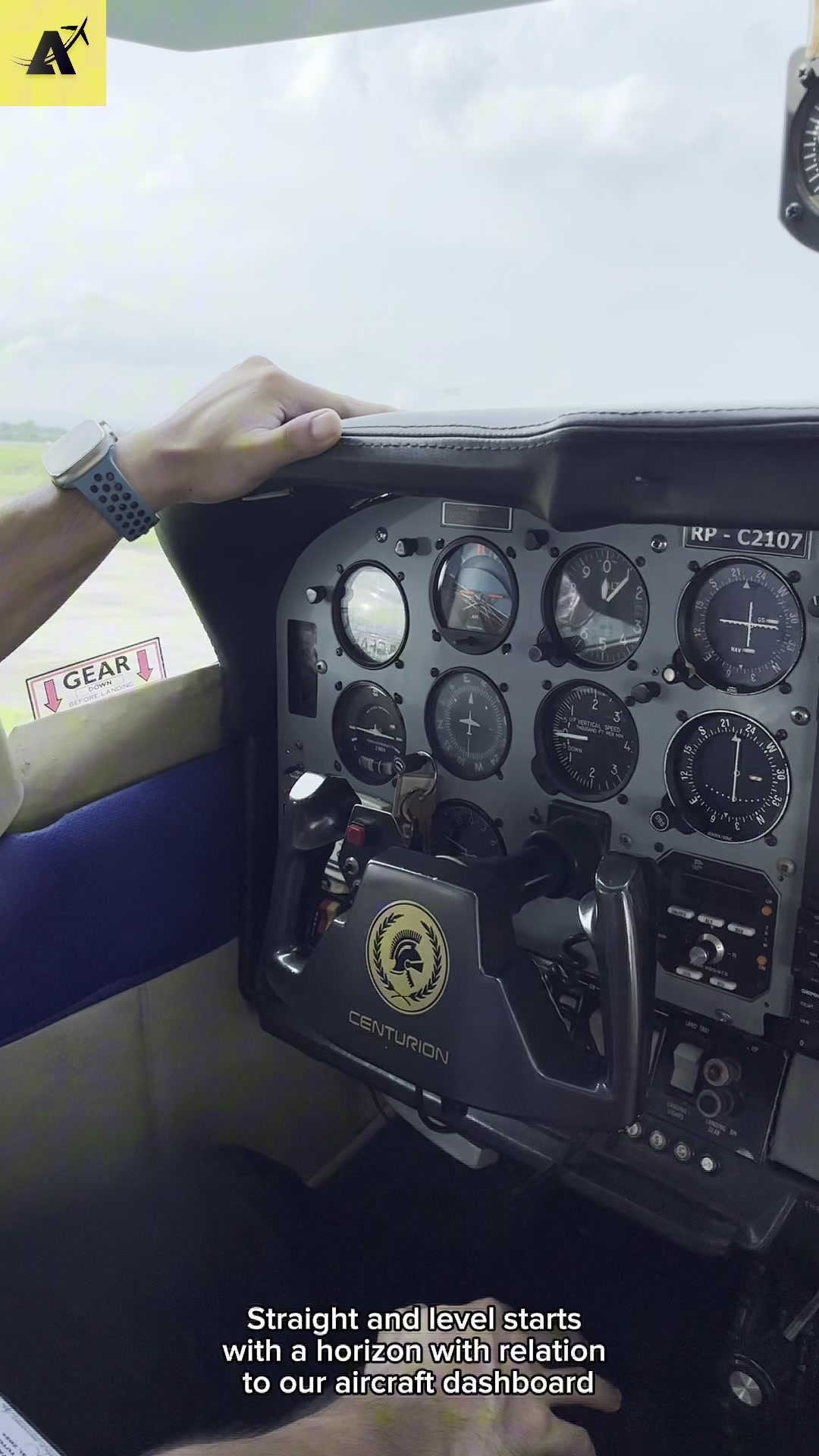
Reading a Cessna 172 instrument panel in 90 seconds
The six primary instruments every student pilot memorizes in their first week — what each one tells you, and which to scan first.
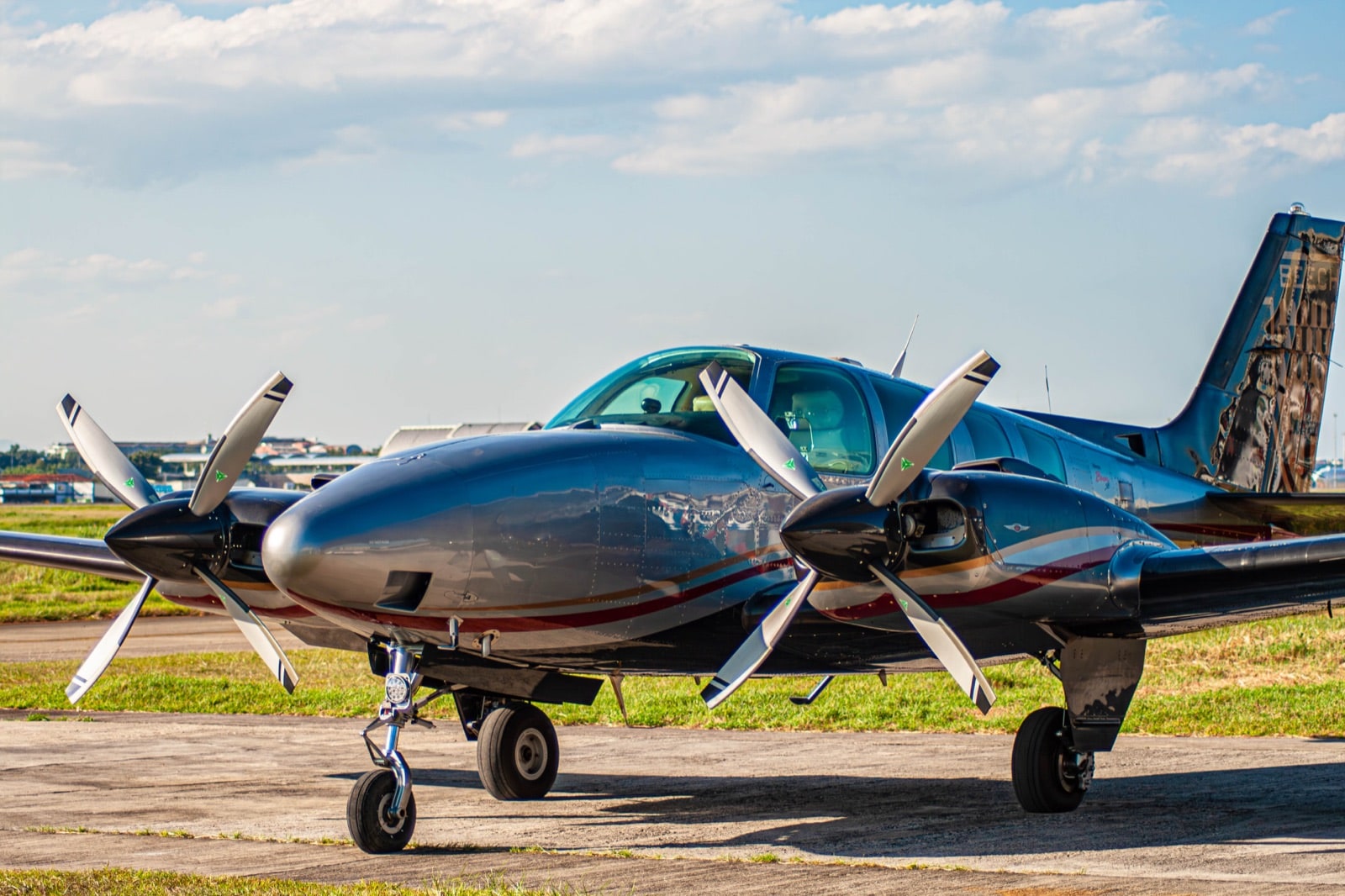
The Beechcraft Baron 58: why CAFS chose it for ME
The Baron is older than most of its students — and the closest thing in GA to a small jet. What makes it the right multi-engine trainer for airline-bound cadets.

Why MCIA airspace builds better pilots
Live Class-C airspace with commercial traffic means you're learning to communicate with ATC from day one — the same ATC you'll deal with as an airline pilot.
Reading METAR & TAF: pilot weather decoding 101
METAR and TAF look like license plates until somebody decodes them. The structure, an MCIA example, and how pilots use them to make a real go/no-go call.
The four forces of flight, without the jargon
Lift, weight, thrust, drag — every textbook leads with the same diagram, often badly. The version we use in CAFS ground school, with the part the textbook leaves out.
What CAAP Class 1 Medical actually checks
"Class 1 Medical" sounds intimidating but is mostly a thorough physical with a few aviation-specific tests. Every component, what disqualifies, and what surprisingly doesn't.

PPL vs CPL vs IR vs ME: what you actually need and when
The ratings that matter depend on whether you want to fly for fun, build a career, or go straight to airlines. A clear decision tree from CAFS faculty.
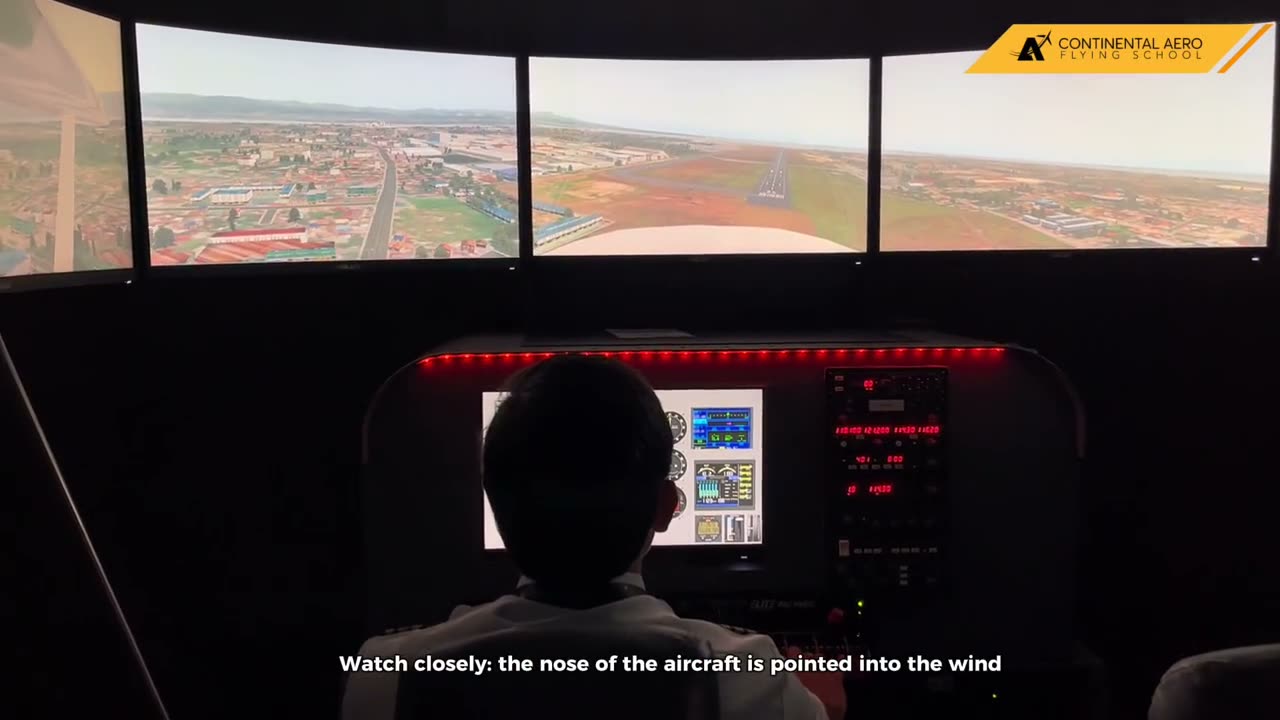
5 emergencies only the sim can practice
Vacuum failure, takeoff fire, LIFR minimums, night electrical loss, IMC engine-out — five drills the syllabus requires that real-airplane training literally cannot rehearse safely.
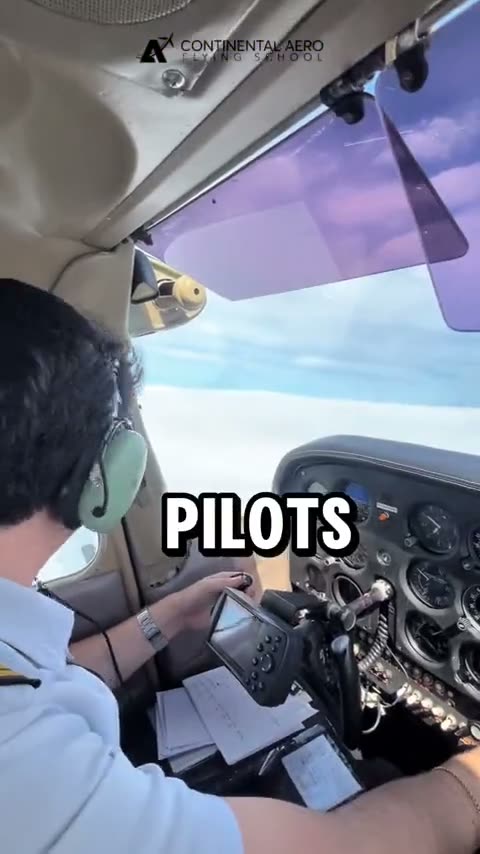
What PPL training actually looks like
A CAFS instructor breaks down the journey on the whiteboard: 42 flight hours, 110 ground school hours, 10 theory subjects. The honest version, no marketing fluff.
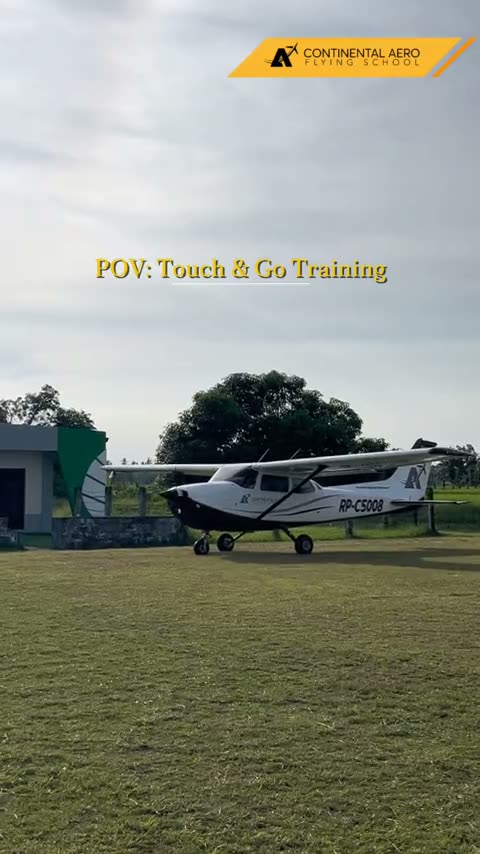
Touch & Go training: how pilots build pattern proficiency
One pattern lap = one full takeoff, climb, descent, and touchdown — every primary skill, in 6 to 8 minutes. A real CAFS POV reel from MCIA, with what's actually happening on each lap.
Aviation insights, once a week.
New posts from CAFS instructors, alumni stories, career guides, and the occasional deep dive — delivered to your inbox. No spam, no sales pitches, just the journal you'd share with a friend who's curious about flying.