Skip to content
DGCA · विमानन Agency-Sponsored Cadets

Built for India's regulator, not ours

More hours than our minimum. Because that's what DGCA asks for.

Our standard packages are built to CAAP's minimums. This one is built to what India's Directorate General of Civil Aviation wants to see on a logbook before it will recognize a foreign license.

230+ flight hours Multi-Engine from day one Planned around DGCA conversion

What goes in the logbook, stage by stage

  • First solo
  • Pattern work
  • Cross-country
  • CAAP PPL checkride
  • Night operations
  • Cross-country hour-building
  • CAAP CPL checkride
  • Flying by instruments alone
  • Asymmetric handling
  • Engine-out procedures
  • Multi-engine checkride
  • Air law
  • Navigation
  • Meteorology
  • Aircraft systems

What this program is

Not license conversion.
Built DGCA-first, from hour one.

We already have a path for pilots who hold hours or a license somewhere else and want to add a DGCA conversion afterward — that's our general international license-conversion track. This is a different thing. It's for cadets starting from zero (or close to it), where every stage, every hour, and the multi-engine rating are sequenced from day one specifically around what DGCA's own process expects, not added on at the end.

230+Total flight hours
12Months, typical duration — PPL · CPL · IR · ME
0Hours of prior experience needed
1980Continental Aero has trained pilots since
Aspect International license conversion Indian Cadet Pilot Program This page
Who it's for Pilots who already hold hours or a license from another country Cadets starting from zero — or close to it
Where DGCA fits DGCA recognition added afterward Hours, stages and Multi-Engine sequenced around DGCA from day one
Hours built to Whatever your existing logbook holds The 230-hour profile DGCA's conversion process looks for

More hours than our own minimum

Our domestic PPL/CPL/IR packages meet CAAP's minimums. This pathway runs to 230 hours and includes Multi-Engine as standard — because that's the profile DGCA's conversion process looks for, not because more is automatically better.
Zero hours — or some

Most cadets on this pathway arrive with no flight time at all. Students who already hold some hours are equally welcome; prior time is reviewed against CAAP requirements and credited into the program rather than repeated.

Coordinated with your agency

Your sponsoring agency handles the ground-school, visa, and placement side in India. We handle the flying, at Mactan-Cebu, on the same fleet every CAFS student trains on.

The path

Four licenses.
Two hundred thirty hours.
One graduation.

CAAP specifies the requirements for each license. This pathway sequences all four into one 12-month program, so you move from PPL straight into CPL, Instrument, and Multi-Engine without re-booking or re-onboarding at every stage.

Stage 01 Foundation

Private Pilot License (PPL)

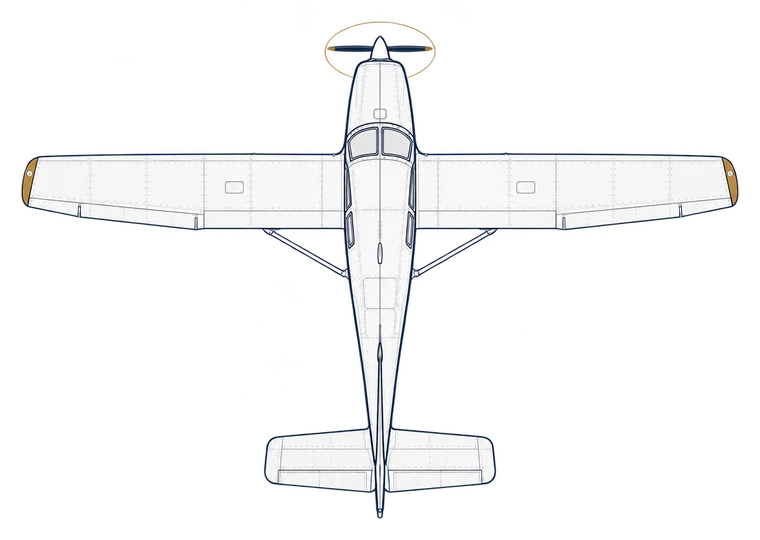
Ground school and first flight hours on the Cessna 152 — the same aircraft every CAFS student solos on. First solo, pattern work, cross-country basics, and the CAAP PPL checkride.

Cessna 152 CAAP PPL checkride

230 hours, 12 months is the planned pace. Actual pace depends on weather days, checkride scheduling, and how a student's prior experience (if any) is credited. Your agency counselor and our admissions team confirm your specific schedule before you arrive.

Where you train

The same fleet.
Every CAFS student, every program.

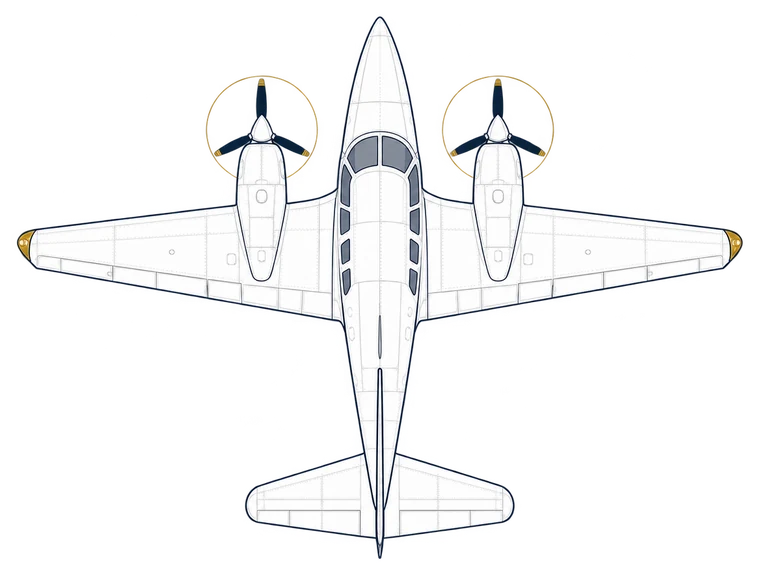
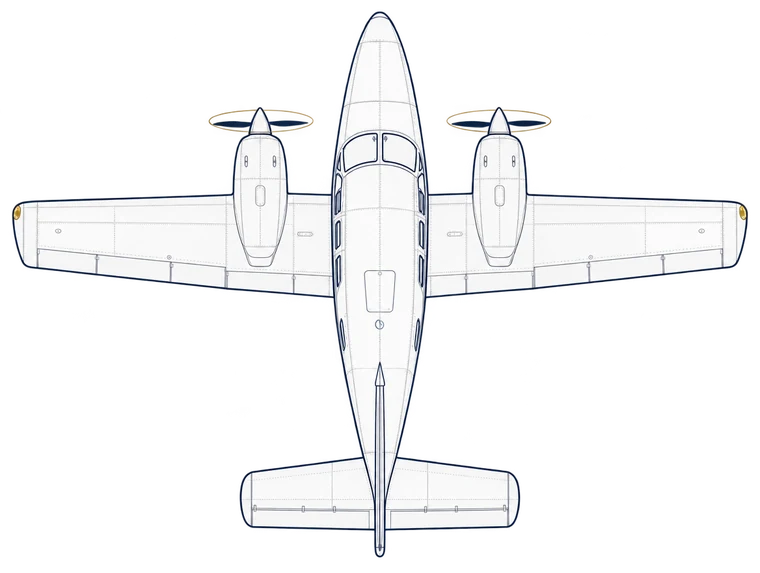
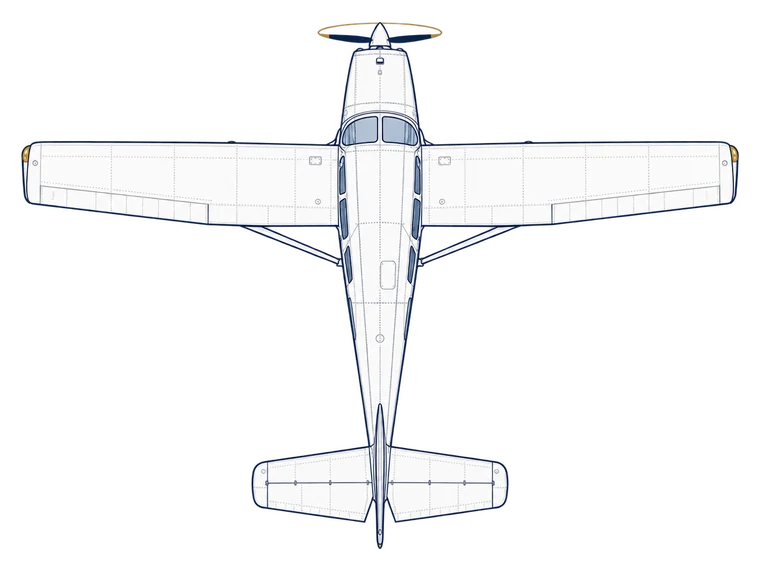
This pathway doesn't get a separate or lesser fleet — you train on the same Cessna 152, Cessna 172, Beechcraft Baron 58, and Piper Seneca every CAFS student flies, based at Mactan-Cebu International Airport, a controlled Class-C international airport, under CAAP ATO 84-11.

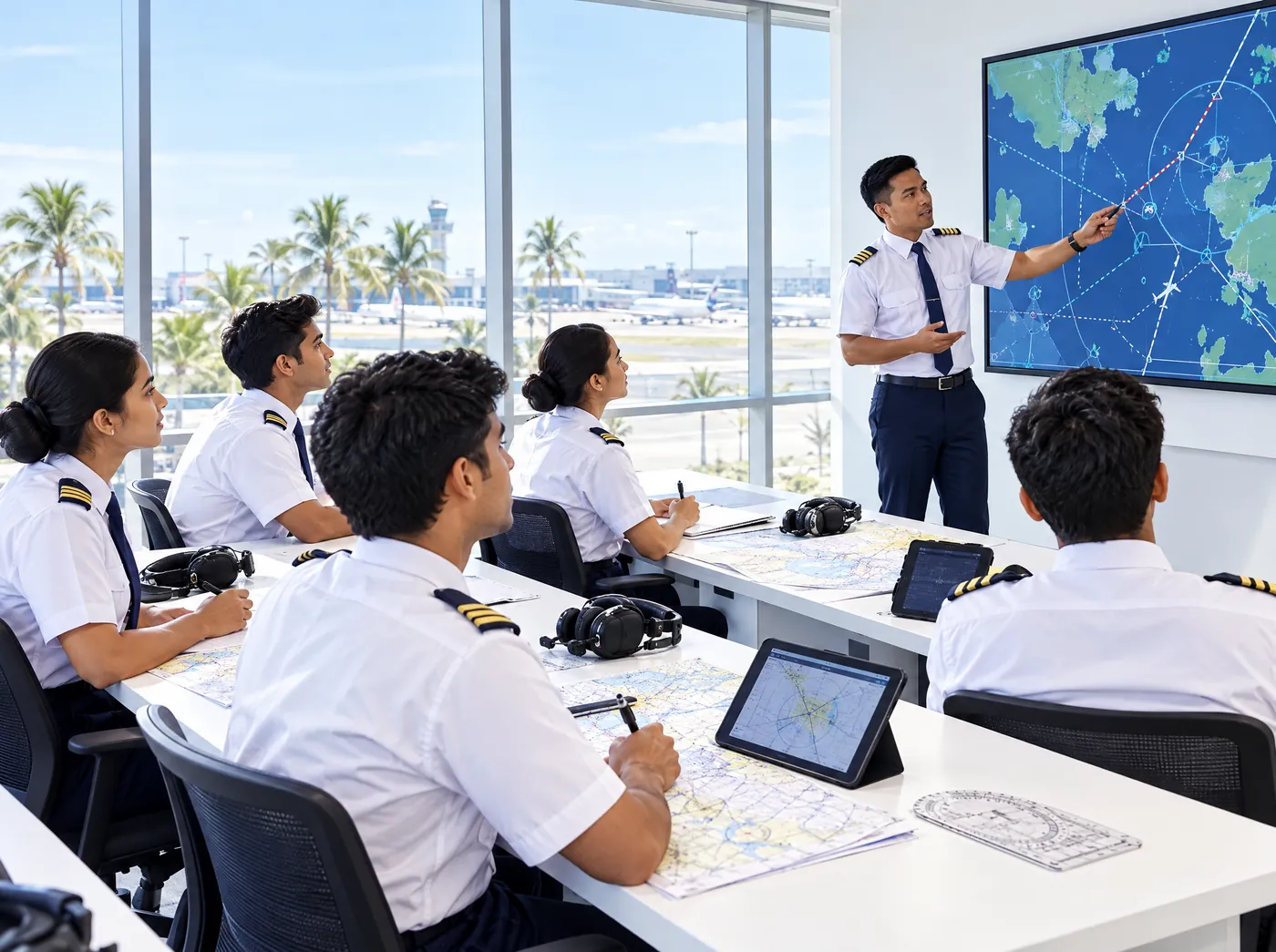
Cadets in a ground-school navigation class with charts and plotters

Ground school runs alongside the flying.

Theory for each stage — air law, navigation, meteorology, aircraft systems — is taught in step with the flight hours, not front-loaded and forgotten. Charts, logbook, and flight-planning tools are the same ones you'll use in the cockpit that week.

  • Air law
  • Navigation
  • Meteorology
  • Aircraft systems
See the full CAFS fleet

After graduation — the part that's actually India-specific

CAAP issues your license here.
DGCA converts it, in India.

Only India's own regulator can issue a DGCA license — that step happens after you return, not in the Philippines. This is the process every graduate of this pathway goes through:

In Cebu · with CAFS Training complete

CAAP license issued, logbook built to DGCA's profile.

In India · administered by DGCA
  1. 01
    Foreign license verification

    Your CAAP license and complete logbook are submitted to DGCA for verification — typically a 6–8 week process.

    6–8 weeks
  2. 02
    DGCA written exams + RTR(A)

    The DGCA written papers — Air Regulations, Air Navigation, Meteorology, Technical General and Technical Specific — plus the RTR(A) radio license exam, all in English.

    In English
  3. 03
    DGCA Class 1 medical

    Renewed at a DGCA-approved Aeronautical Medical Examiner in India.

    DGCA-approved AME
  4. 04
    Skill test at a DGCA-approved school

    A final flight check in India, at a bridge school approved by DGCA.

    Final flight check

This is exactly why the training pathway looks different from our standard packages — more hours, Multi-Engine included, structured around this process rather than around it being added afterward. The conversion itself, though, is administered in India, not by CAFS.

Full timelines & partner airlines for the India route

Who this is for

Two starting points.
One finish line.

Every student on this pathway arrives through a sponsoring agency, who coordinates ground-school, visa, and enrollment logistics alongside our admissions team.

Starting from zero

No flight time yet — this is your first cockpit. The pathway is designed to take you from a first solo on the Cessna 152 through to a multi-engine checkride on the Baron 58 or Seneca, in one planned 12-month sequence.

Arriving with some hours

Already have time logged elsewhere. Your hours are reviewed against CAAP requirements before training starts, and credited into the pathway where they qualify — you don't repeat what you've already flown.

Questions we hear most

What cadets on this pathway usually want to know.

Still have a question?

Our admissions team can talk you through the fleet, the syllabus, and life at Mactan-Cebu.

Contact admissions
How is this different from your international license-conversion page?

License conversion is for pilots who already hold flight hours or a license from another country and want to add DGCA recognition afterward. This program is built the other way around — for cadets starting from zero, where the hours, stages and Multi-Engine rating are sequenced from day one specifically around DGCA's own conversion requirements, not added on at the end.

Why does this pathway run 230 hours when your other packages run fewer?

Our domestic PPL, CPL and IR packages are built to CAAP's minimums. This pathway is built to what DGCA's conversion process expects to see on a logbook before it will recognize a foreign license — more flight hours, and a Multi-Engine rating included as standard, not optional.

Do I need flight hours before I arrive?

No. This pathway is built to take a zero-hour student all the way through Multi-Engine. Students who already have some hours logged are also welcome — prior time is reviewed against CAAP requirements and credited into the program on a case-by-case basis.

What happens after training finishes — do I get a DGCA license here?

No — DGCA is India's regulator and issues its own license in India, not in the Philippines. This program trains and issues your CAAP license here, built to DGCA's profile. Afterward, in India: foreign license verification (6–8 weeks), DGCA written exams and RTR(A), a DGCA Class 1 medical, and a skill test at a DGCA-approved school.

How do I enrol in this program?

Enrollment on this pathway is coordinated through your sponsoring agency counselor, who works directly with our admissions team on your schedule and enrollment. If you're exploring this program and don't yet have an agency contact, reach out to our admissions team and we'll point you in the right direction.

What does the program cost?

Tuition on this pathway is arranged as part of your enrollment through your sponsoring agency, and your agency counselor holds the current rate for your cohort. Contact our admissions team if you have questions about what's included.

The next step

Talk to your agency counselor
about this pathway.

Your sponsoring agency handles enrollment and scheduling on this pathway, working directly with our admissions team. If you have questions about the training itself — the fleet, the syllabus, life at Mactan-Cebu — our team is glad to talk you through it.